News
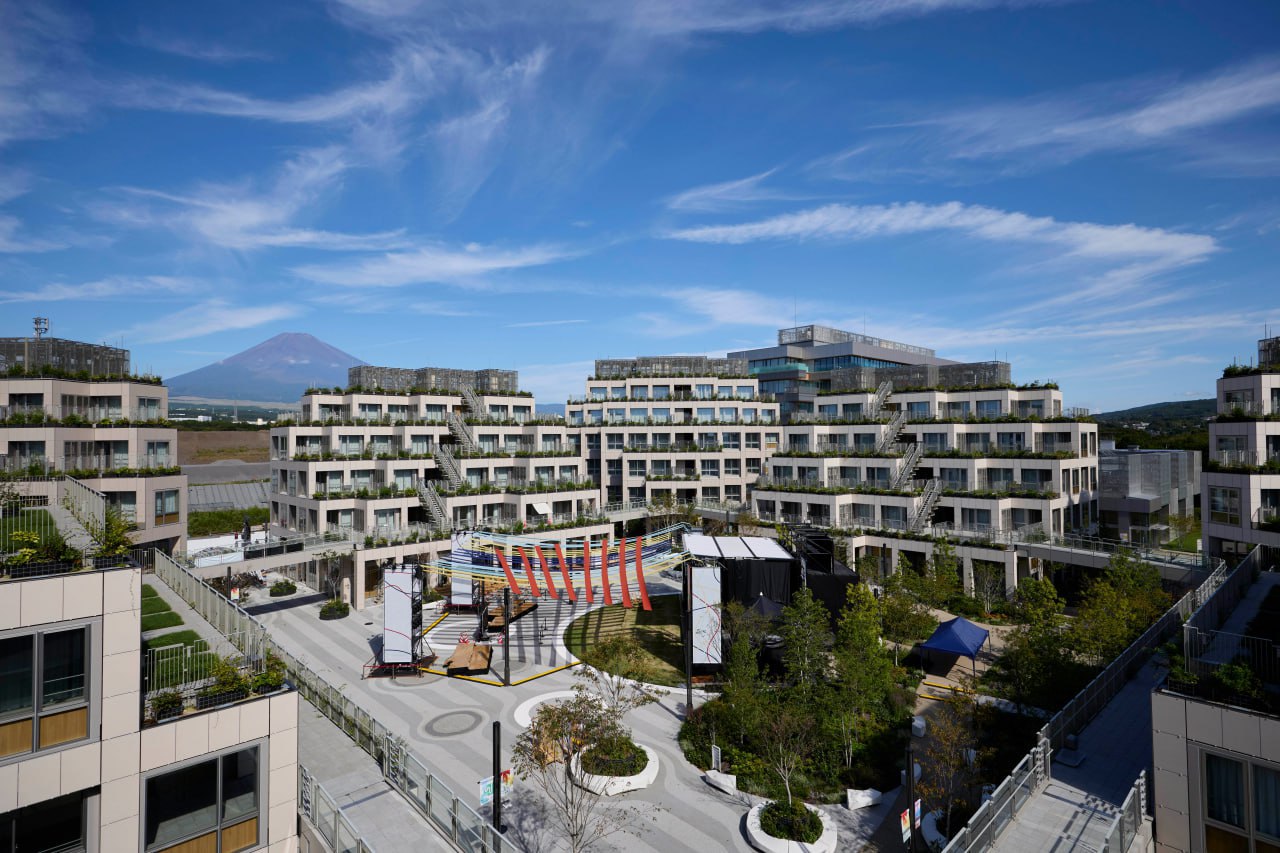
Woven City: Future City
Toyota has built a utopian future city — Woven City, where 300 families already live and test all the latest technologies from the company and its partners.
News from science, technology and the society of the future.
Toyota has built a utopian future city — Woven City, where 300 families already live and test all the latest technologies from the company and its partners.
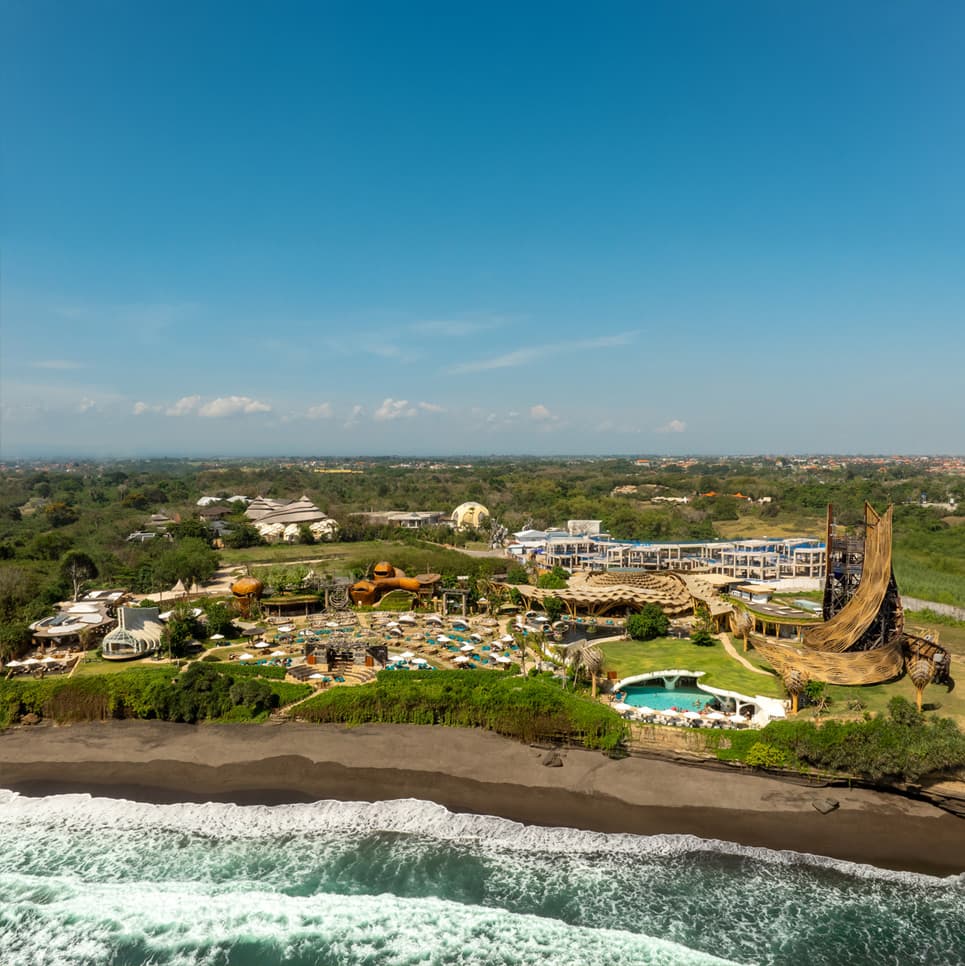
In light of the rapid development of technology and changes in public life, the concept of a future city is becoming increasingly relevant. One of the most remarkable projects that captures interest and admiration is the city of Nuanu.
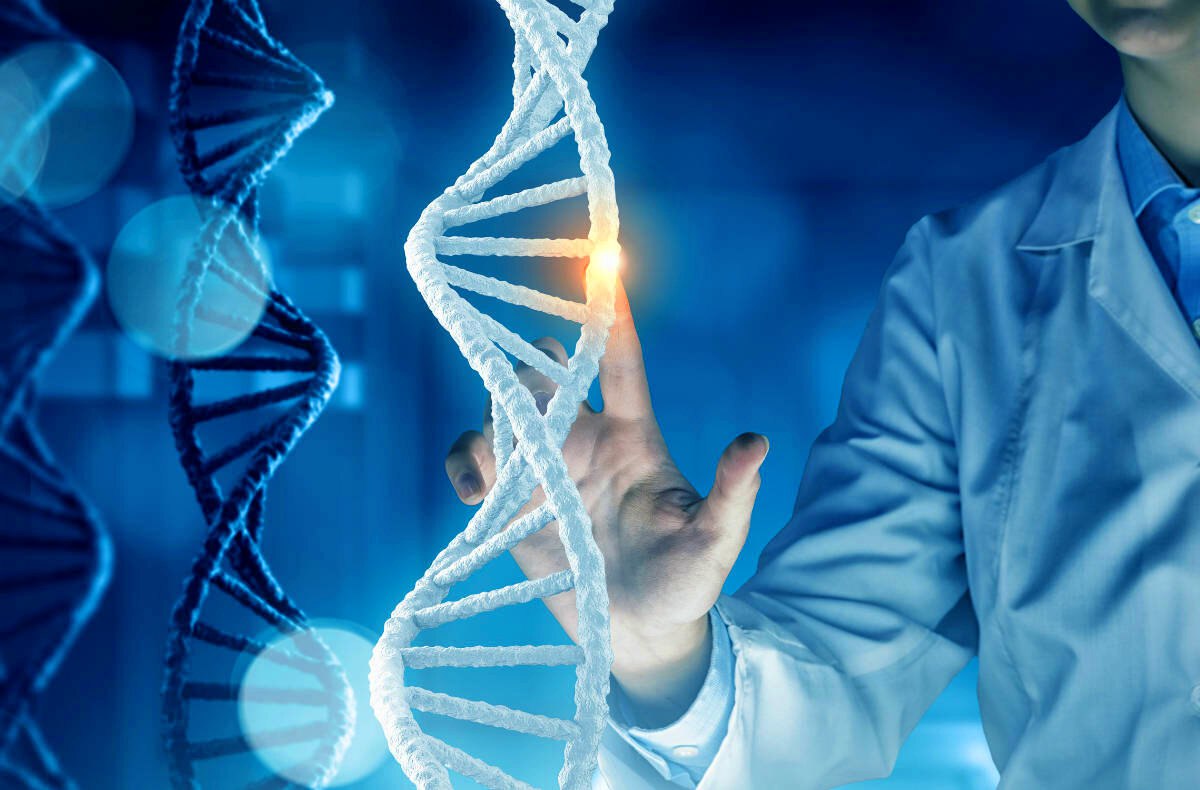
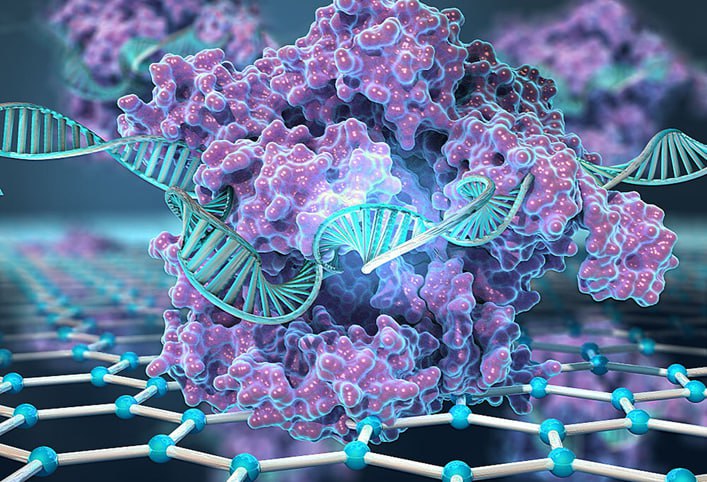
Scientists have created an innovative neural network, OpenCRISPR, capable of altering human DNA. This opens new possibilities for treating rare diseases and improving people's quality of life.
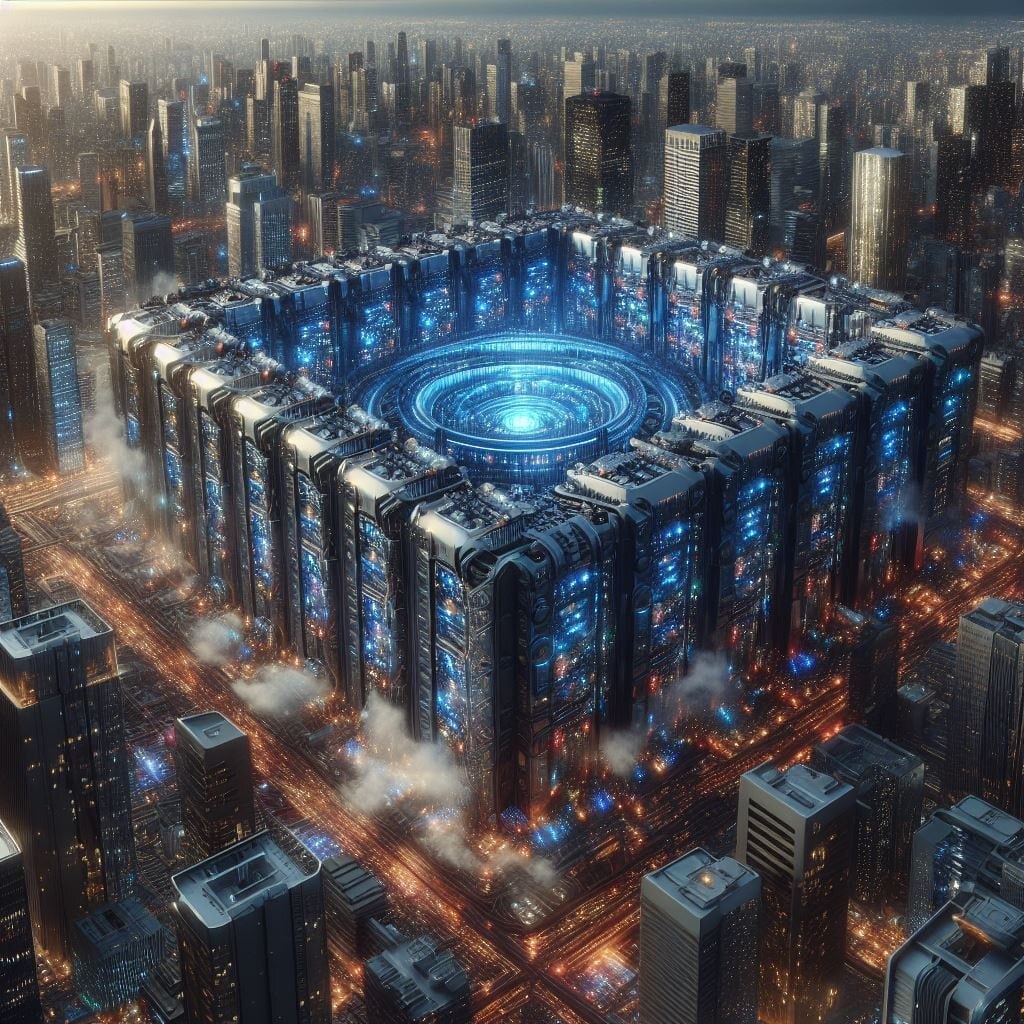
Microsoft and OpenAI are jointly developing the Stargate project — a supercomputer costing $100 billion, which should be created by 2028. This project is Microsoft's largest investment in OpenAI and will consume 5 gigawatts of energy from nuclear fusion.
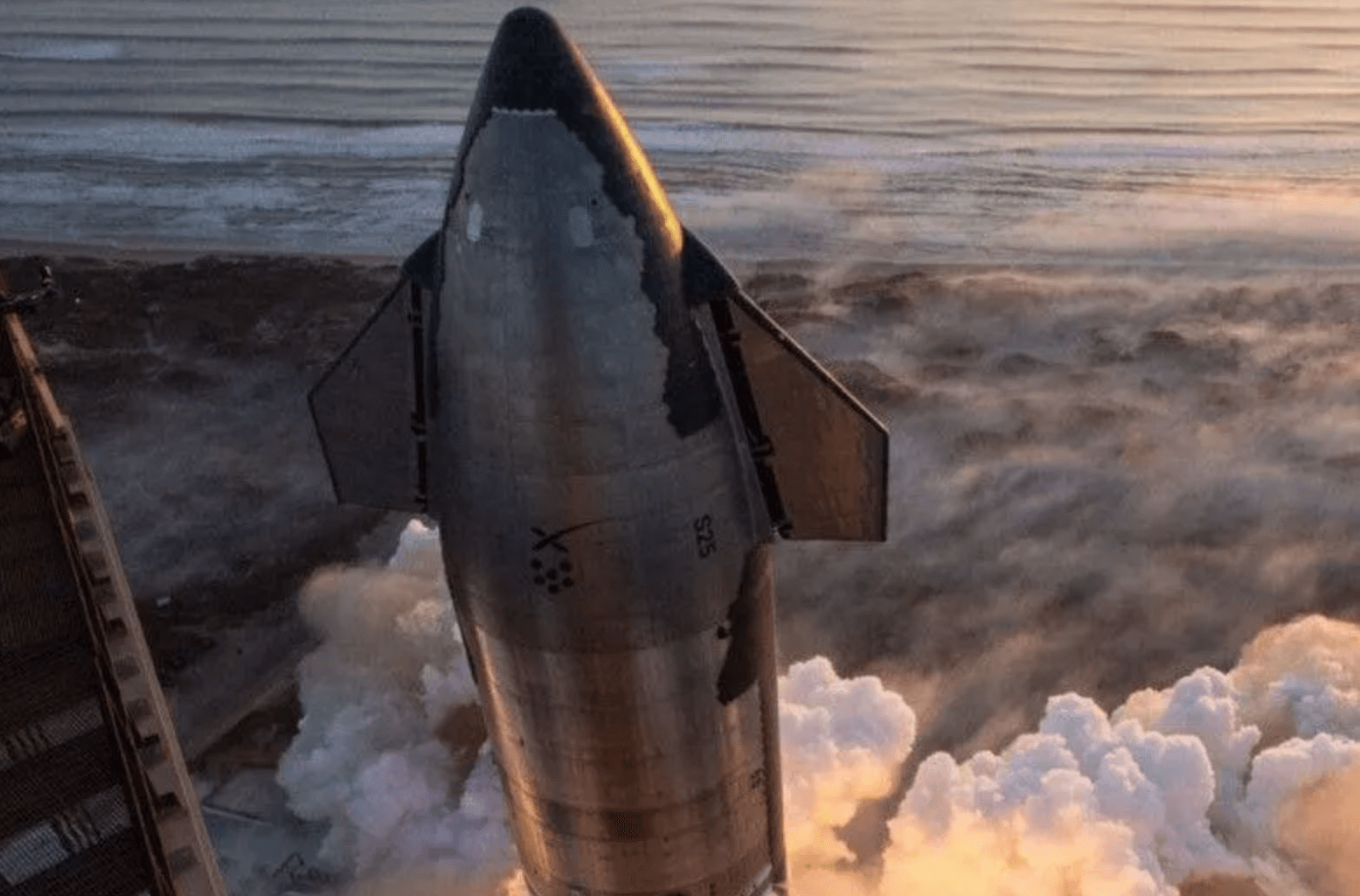
Elon Musk presented ambitious plans for the future of Starship — an improved version of the spacecraft will embark on a journey to other star systems. After successful testing of Starship for the third time, plans for the next five years include sending the spacecraft to Mars.
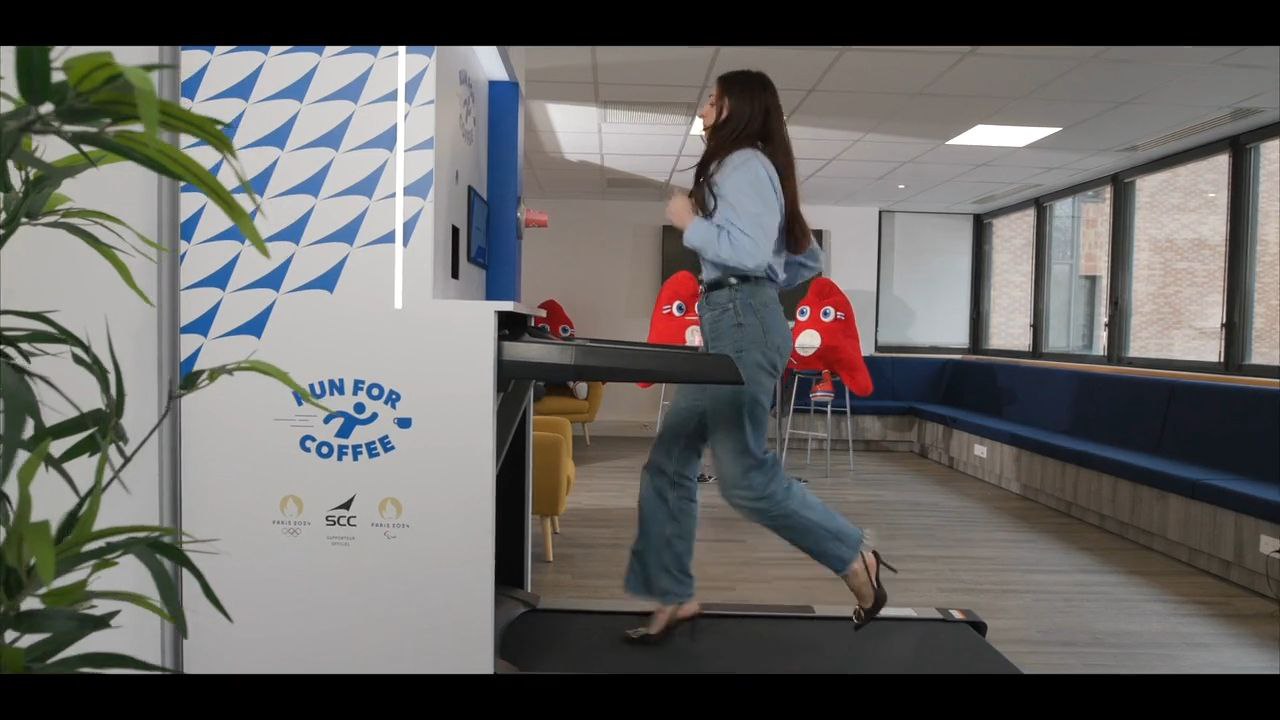
In France, a coffee machine was developed that became very popular among company employees thanks to an interesting approach: to get coffee, you need to run 300 meters on a built-in treadmill.
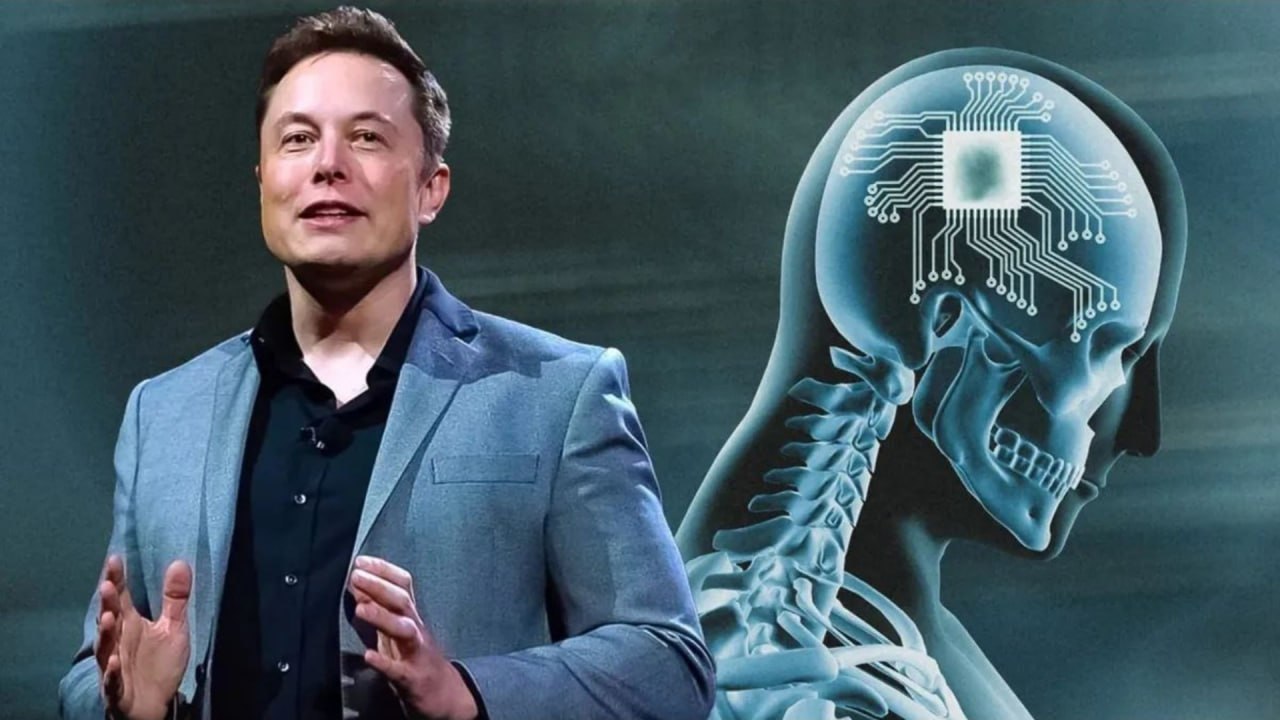
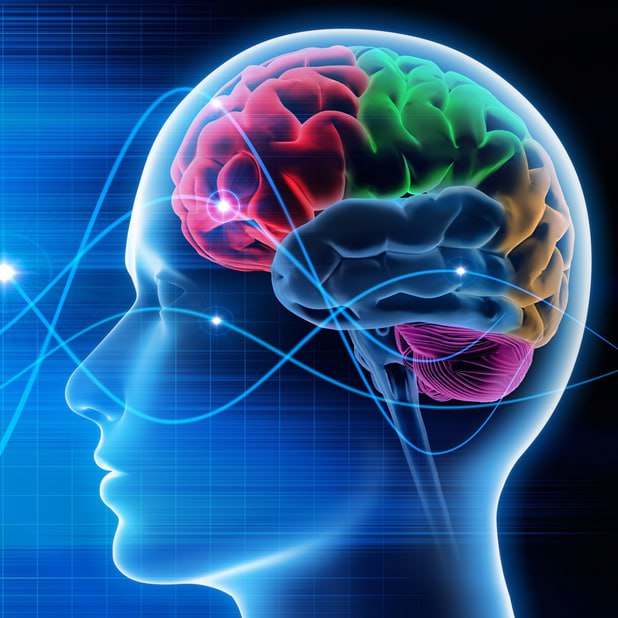
Elon Musk's Neuralink launched a stream (https://twitter.com/neuralink/status/1770563939413496146) showing how the first test subject with a chip in their brain plays chess by the power of thought
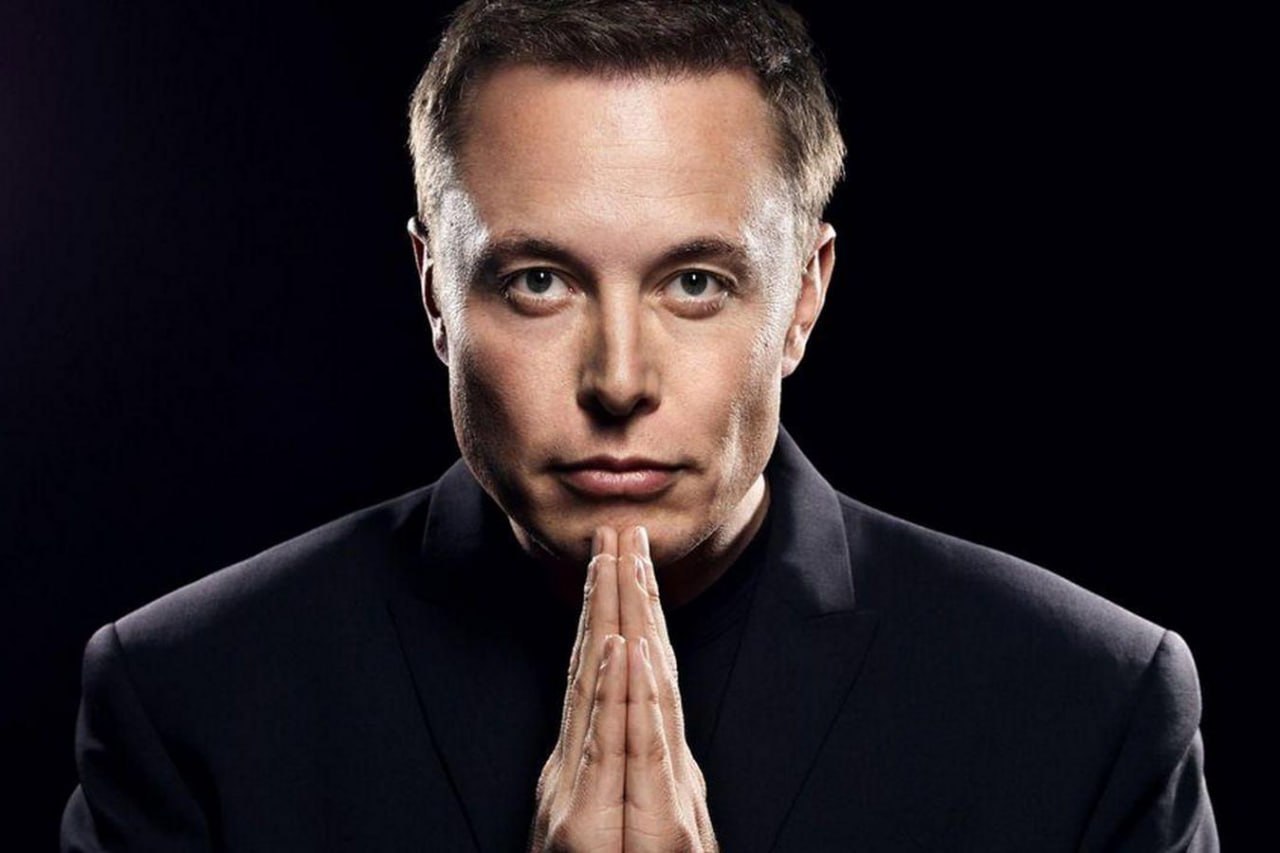
Elon Musk, the renowned entrepreneur and founder of SpaceX and Tesla, has announced plans to open his own university, elementary and secondary school in Texas based on the STEM system (Science, Technology, Engineering, and Mathematics).
A speech prosthetic developed by a joint team of neuroscientists, neurosurgeons, and engineers from Duke University can translate human brain signals into what the person is trying to say.
According to the World Health Organization, the average life expectancy worldwide in 2023 is 72.9 years. The maximum average indicator — 89 years — is recorded in Monaco, and the minimum — 53 years — in Afghanistan. It is worth noting that back in 2000, the average indicator, according to WHO data, was 67 years.
Gene editing using CRISPR/Cas9 is indeed one of the most significant and innovative discoveries in 21st century medicine. CRISPR/Cas9 is a system based on bacterial defense mechanisms against viruses, which allows for targeted changes to an organism's DNA.
According to preliminary estimates, half a trillion dollars will be spent on the construction of the supercomplex; according to (https://www.bloomberg.com/features/2022-mbs-neom-saudi-arabia/) a former Neom employee, the amount could double during the process.
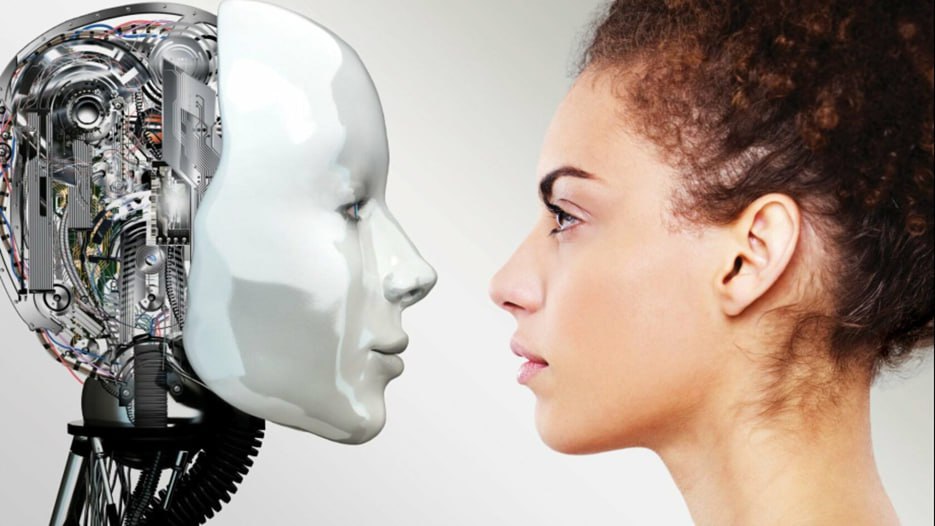
China plans to intensively develop the production of humanoid robots by 2025. The goal of this strategy is to stimulate innovation and increase the competitiveness of Chinese robotics.