
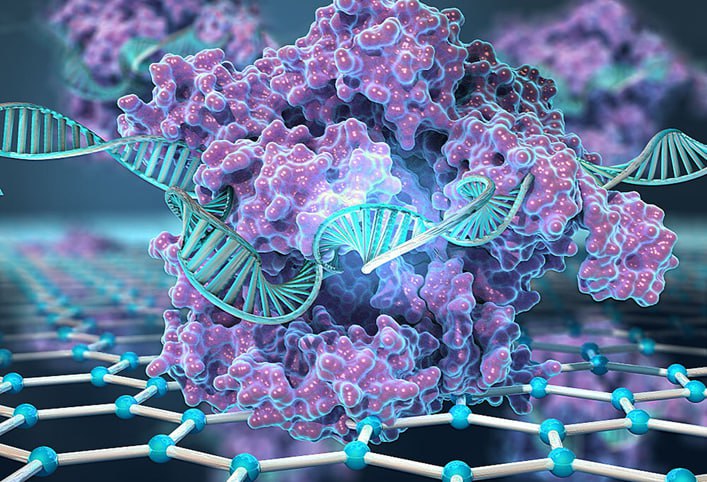
Gene editing using CRISPR/Cas9 is indeed one of the most significant and innovative discoveries in 21st century medicine. CRISPR/Cas9 is a system based on bacterial defense mechanisms against viruses, which allows for targeted changes to an organism's DNA.
This technology provides researchers with the ability to precisely edit the genome, correct mutations associated with hereditary diseases, and even introduce new genes into organisms. Such an approach could have potentially revolutionary significance for treating genetically determined diseases, such as cystic fibrosis, hemophilia, certain forms of cancer, and others.
CRISPR/Cas9 also opens new perspectives in the field of biology research and allows for a deeper understanding of the role of various genes in the development and functioning of living organisms. However, despite all potential benefits, gene editing also raises ethical and legal questions, and careful discussion and regulation of this technology's use is required.
Thus, CRISPR/Cas9 truly represents one of the most significant and promising technologies in 21st century medicine, with great potential to transform the treatment of genetic diseases and expand our knowledge of the genome.