
← All articlesQualities

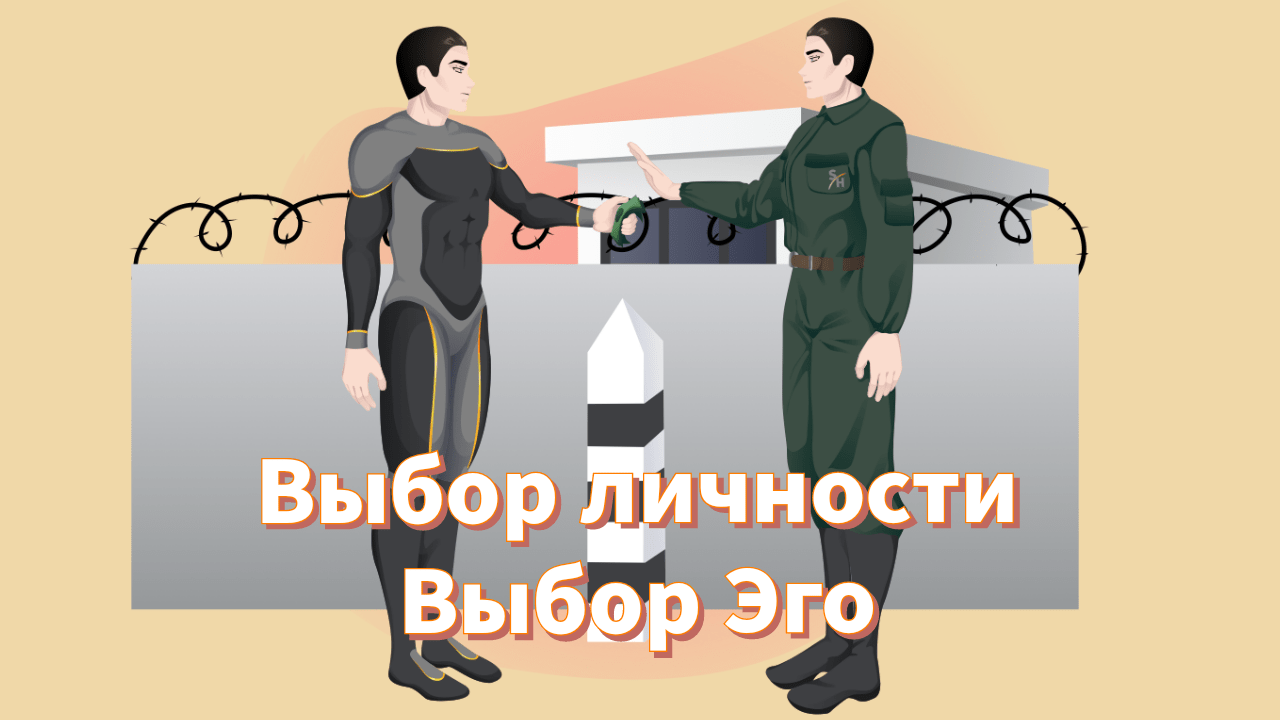
Personality's Choice vs. Ego's Choice

Personality's Choice vs. Ego's Choice

When a person faces the need to save a stranger, they most often act based on a sense of humanity and morality.

People can make decisions based on empathy and understanding that every life has value. They often do not put themselves first and are willing to risk themselves to save another.

When it comes to saving a relative, ego can interfere with the decision-making process. A person may be inclined to save a loved one because of strong emotional bonds and unconditional love.

However, the bond of kinship can create a conflict between rationality and emotion, and sometimes selfish motives can overcome altruistic intentions.

Who would you save? Four people or your relative whom you love?

Questions & answers

Why do people save strangers if it's dangerous?

People often act from a sense of humanity and morality, making decisions based on compassion and understanding that every life has value. They are willing to risk themselves to save another, without putting themselves first.

How does ego influence the choice between saving a relative and a stranger?

When it comes to saving a relative, ego can interfere with the decision-making process because of strong emotional bonds and unconditional love. The bond of kinship can create a conflict between rationality and emotions, and sometimes selfish motives can overcome altruistic intentions.

Do emotions influence moral choice in a critical situation?

Yes, emotions play a significant role. Strong emotional bonds with loved ones can lead to a conflict between rationality and feelings, which can affect what choice a person makes in a critical situation.

← All articles

Open the SPACEHUMAN app