
According to the World Health Organization, the average life expectancy around the world in 2023 is 72.9 years. The maximum average – 89 years – is recorded in Monaco, and the minimum – 53 years – in Afghanistan. Note that back in 2000, the average, according to WHO, was 67 years.
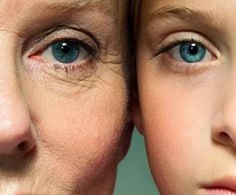
A steady improvement in average life expectancy in the world is achieved thanks to the development of medicine, pharmaceuticals, and the promotion of a healthy lifestyle. WHO predicts that the proportion of the world’s elderly population will be 16% by 2050, up from 9.3% in 2020. Many scientists today are trying to unravel the mystery of aging and intervene in this natural process. It turns out that this is possible.
In particular, a scientist from Japan Shinya Yamanaka in 2012 invented the so-called “elixir of life” – a biological reprogramming technology that turns old cells into young ones, and even received a Nobel Prize for it.
However, the main problem for inventors in this field still remains to simplify the process. In theory, it should be as accessible and uncomplicated as possible for anyone. Ideally, this should be a medicine that can be purchased at a pharmacy, or a simple procedure in a clinic. So far, all research is based on genetic engineering, which not only is not affordable for everyone, but is also not safe enough.