
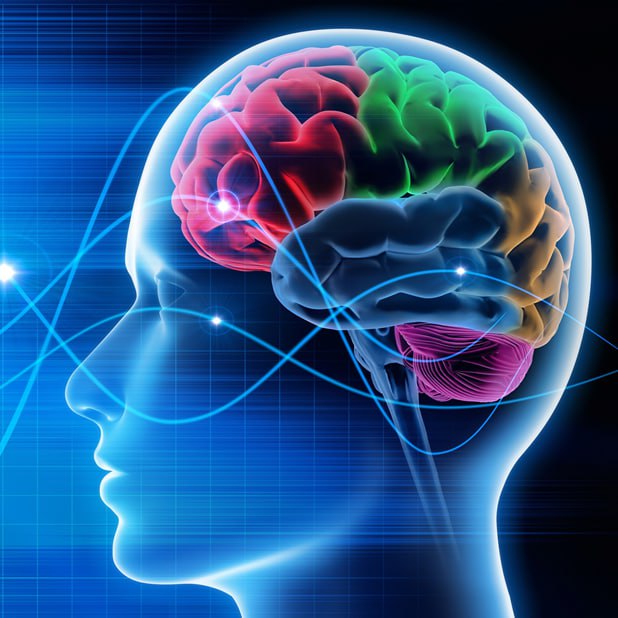
A speech prosthesis developed by a collaborative team of neuroscientists, neurosurgeons and engineers at Duke University can translate a person’s brain signals into what they are trying to say.
New technology, published in the journal Nature Communications, could help people who are unable to speak due to neurological disorders regain the ability to communicate using an interface “brain-computer”.
This prosthesis works by recording the brain’s electrical activity associated with the intention to say a certain word and decoding that activity to produce appropriate speech. This is achieved through the use of high-precision electrodes embedded in the human brain.
However, it is important to note that this technology is still in the research and development stage and requires further development and testing before it can be widely used in medical practice. However, this is an important breakthrough in the development of speech prostheses and has the potential to help people with speech disorders in the future.
People who engage in such research and devote their entire lives to such developments have very strong positive qualities – determination, ideological, ambitious, as well as uniqueness and faith. Thanks to such people, the future of many will become much more productive, bright and interesting.